From the Spina to the Valentino
A walk from Porta Susa station to the Valentino park: the pedestrian via Roma, the Egyptian Museum, the Mole and the Torino Esposizioni pavilions, where the new civic library is taking shape. Eight stops, each linked to its encyclopedia entry.
Porta Susa station
 © Quotidiano Piemontese
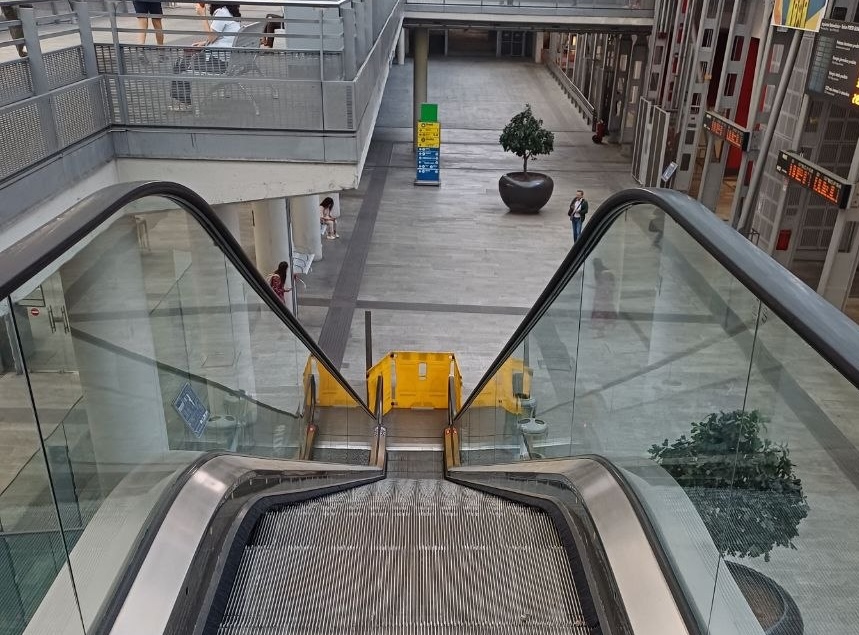
Porta Susa is one of the city's railway stations, facing the Spina Centrale. Next to the station in use stands the historic building, at the centre of a transformation programme agreed between the City, Ferrovie dello Stato and RFI. As early as 1937 the press was calling for the station to be upgraded, and in 1982 the City, the Region and the railways drew up a plan to put the yard underground and leave a large garden in its place.
Via Roma
 © La Stampa
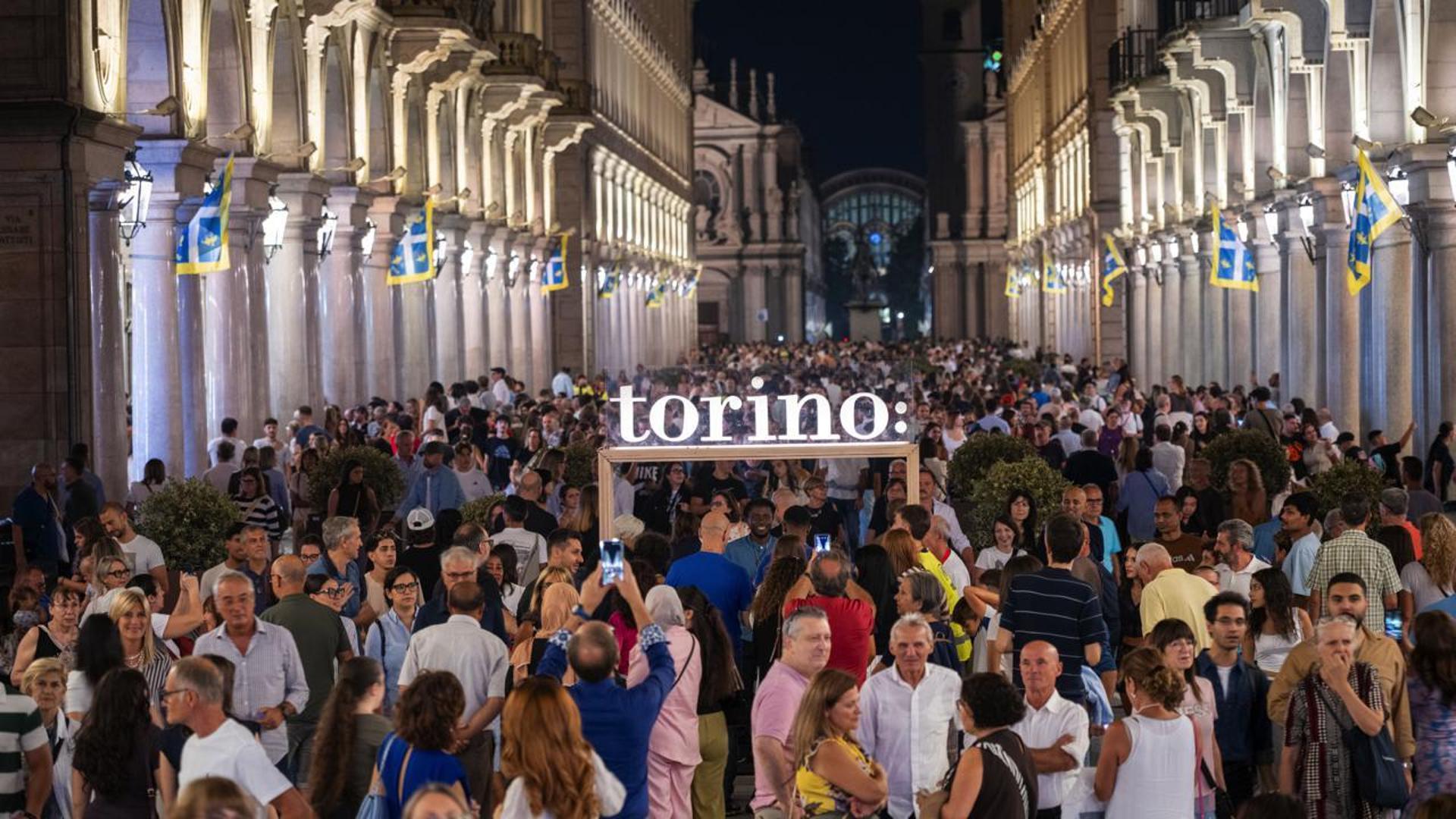
Via Roma links piazza Castello with piazza Carlo Felice, in front of Porta Nuova station, crossing piazza San Carlo and piazza C.L.N. under its arcades. Since September 2026 it has been fully pedestrian: the roadway was raised to the level of the arcades and repaved in stone. At the opening celebration on 12 September 2026, clips were shown from the more than one hundred films that used via Roma as a backdrop.
Museo Egizio
 © Museo Egizio
In via Accademia delle Scienze, in the Collegio dei Nobili palace built from 1679 to a design by Michelangelo Garove, is the oldest museum in the world devoted entirely to Egyptian culture. It was founded in 1824 with the collection of Bernardino Drovetti bought by King Carlo Felice, and opened to the public in 1832. It also holds the rock-cut temple of Ellesiya, a gift of the Egyptian government, moved in sixty-six blocks and inaugurated here on 4 September 1970.
Circolo dei Lettori
 © La Stampa
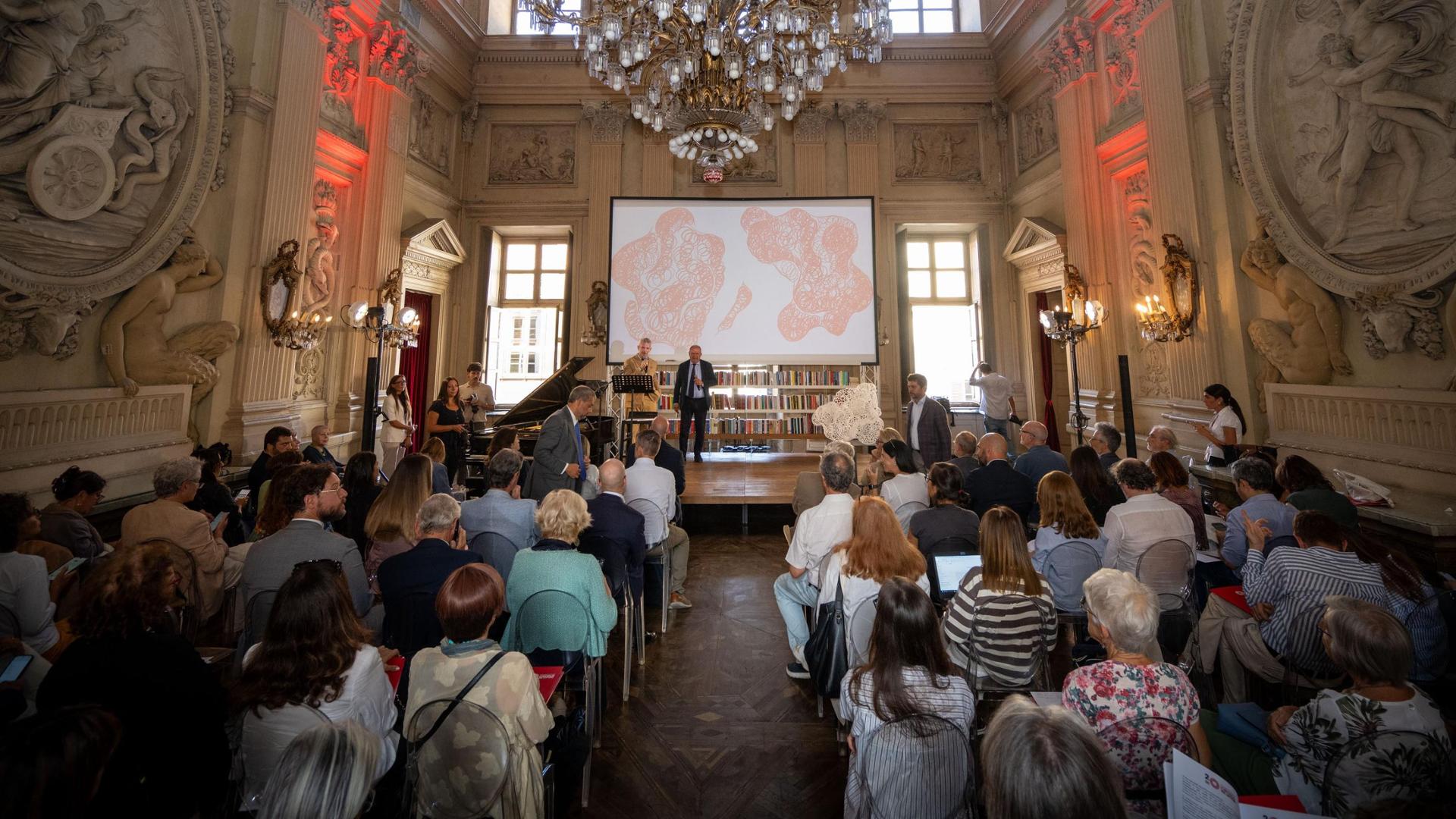
The Circolo dei lettori is Turin's cultural institution devoted to reading, organised as a foundation, with festivals, talks and book presentations all year round. In 2026 it turns twenty and gets a new logo: the season runs for eleven months under the theme “Intelligenza Naturale” (Natural Intelligence), in Turin and Novara as well as Moncalieri, Stresa, Cuneo and Alessandria.
Mole Antonelliana
 © Prima Torino
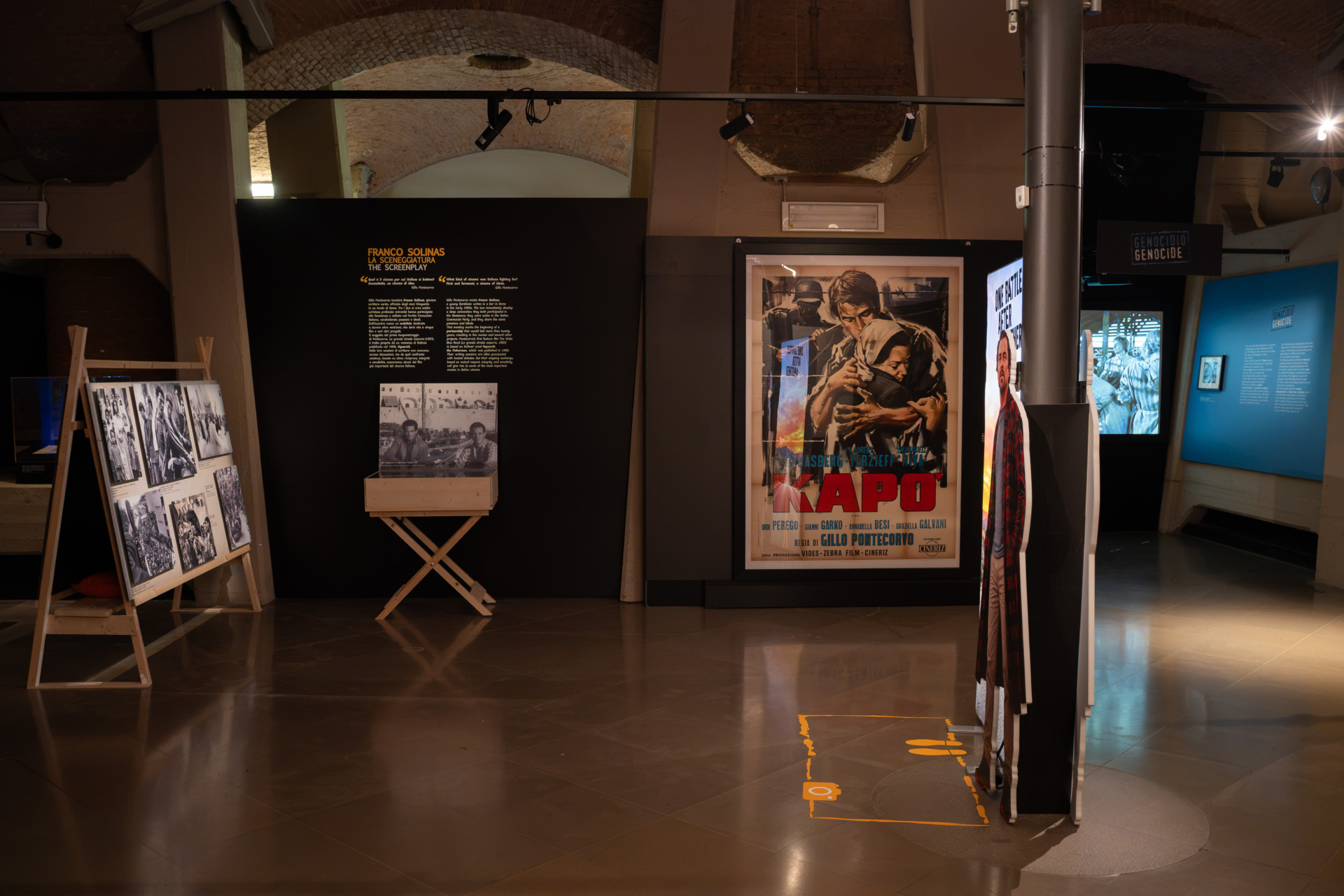
Alessandro Antonelli designed it in 1862 as a synagogue for Turin's Jewish community; bought by the City, it was completed in 1889 and in 1906 reached one hundred and sixty-seven metres, then the tallest masonry building in Europe. On 24 May 1953 a cyclone brought down its spire, and in 1955 the City approved the design for a new metal spire. Renovated between 1996 and 1999, it houses the National Cinema Museum; from the panoramic lantern, eighty-five metres up, you can see the city and the arc of the Alps.
Parco del Valentino
 © La Stampa
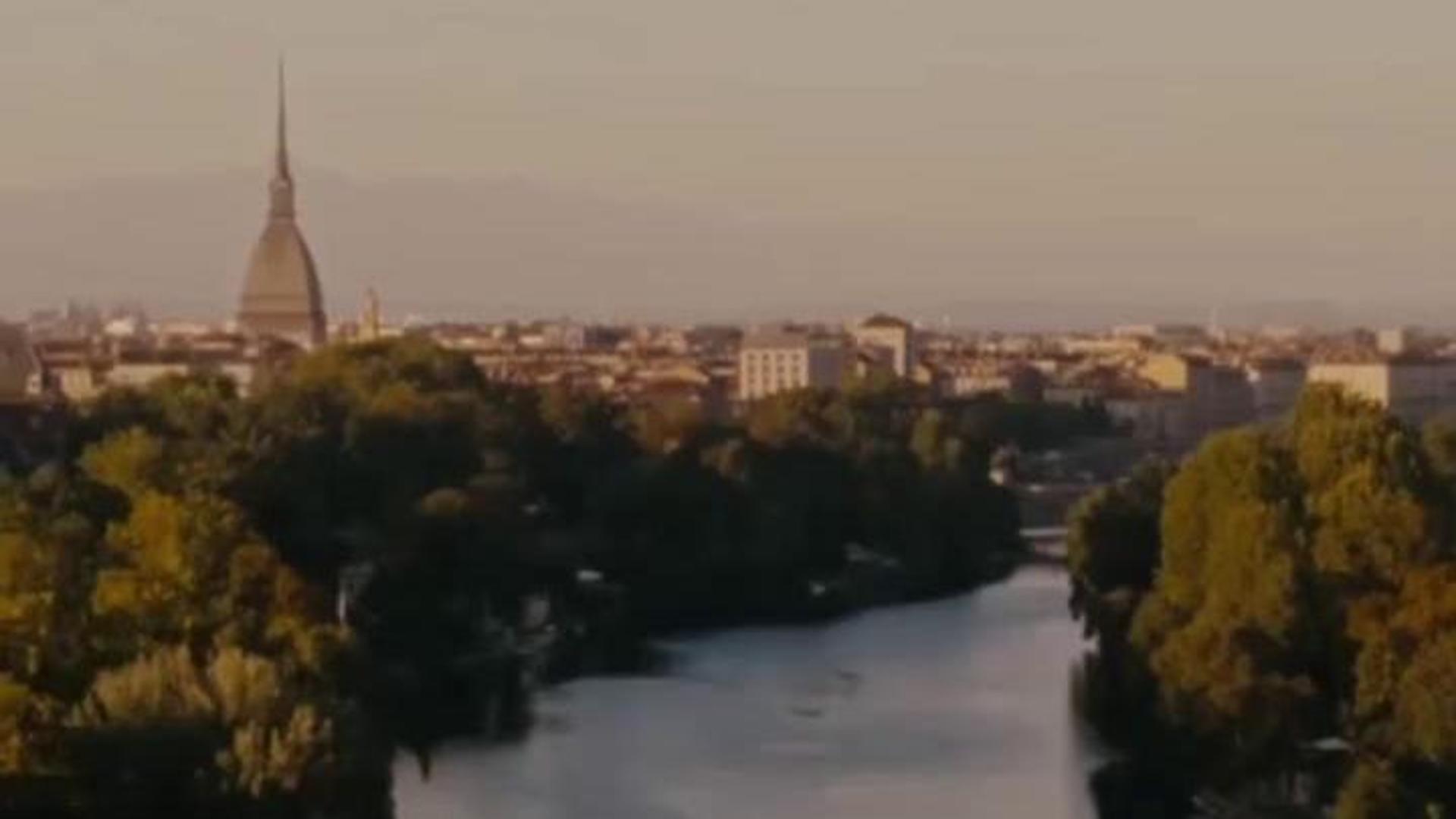
The park stretches along the Po, between corso Massimo d'Azeglio and the river; inside it or next to it are the Borgo Medievale, the Botanical Garden, the Teatro Nuovo and the pavilions of the former Torino Esposizioni. In July 1947 the Torino-Esposizioni company was set up here to build a large permanent venue for exhibitions and fairs in the park. Since 16 September 2026 the Valentino has been at the heart of VALE, the dispersed cultural hub that links its places together.
Torino Esposizioni
Torino Esposizioni is a former exhibition complex in the Valentino park, whose pavilions are being refurbished for a new use. This is where the new central civic library, the core of the VALE hub, is taking shape, with opening to the public scheduled for 11 December 2026; the same pavilions also house the new campus of the Politecnico. The Fondazione CRT has put 7 million euros into the transformation of the park and the new library building.
Teatro Nuovo
 © TorinoOggi
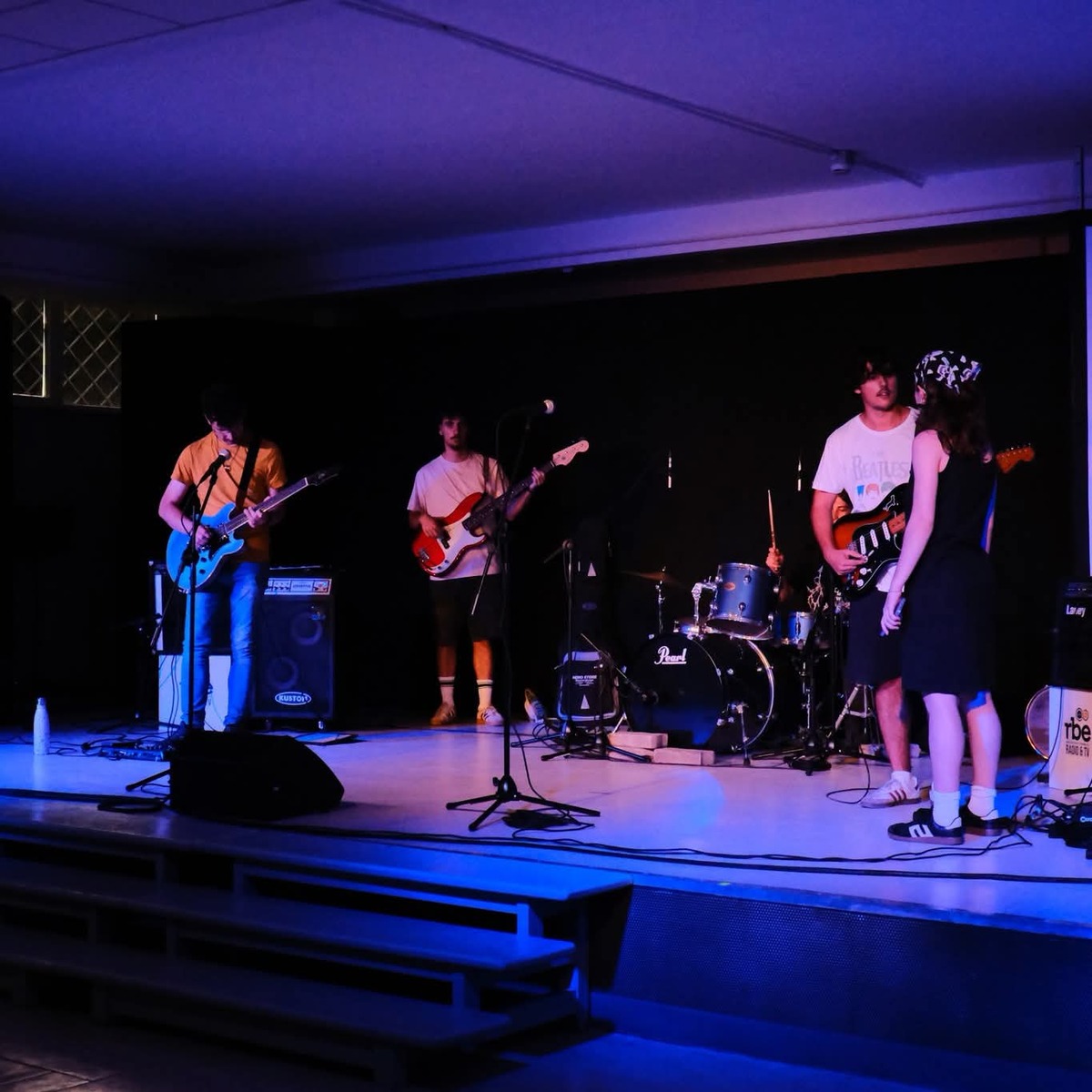
The Teatro Nuovo stands in the Valentino park area and since September 2026 has been part of VALE, short for Valentino: the dispersed cultural hub that brings together the theatre, the park, the Borgo Medievale, the Botanical Garden, the universities and the new central civic library. Mayor Stefano Lo Russo called it “one of the largest urban projects in Turin's recent history”. The hub's full programme is expected to start in early 2027.